
The Problem
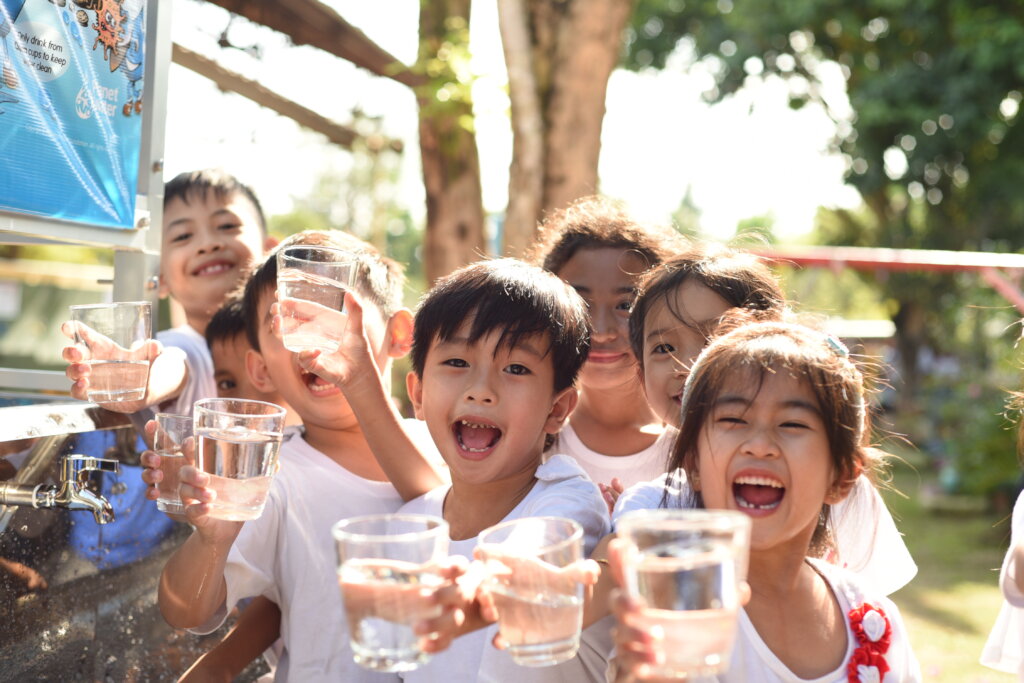
Our school faced a significant challenge with water wastage and limited access to clean water during the summer months. Old plumbing systems caused frequent leaks, while students were often unaware of the importance of conserving water. The school garden required large amounts of water for irrigation, increasing overall consumption. These issues led to higher water bills, reduced water availability, and highlighted the need for sustainable water management practices across the campus.
The Solution
Our school created a student-led water conservation plan to reduce wastage and improve access to clean water. First, teachers and students conducted a campus water audit to identify leaking taps, damaged pipes, and areas with high water consumption. The maintenance team then repaired the leaks and installed low-flow taps in washrooms.
Next, the school set up a rainwater harvesting system to collect water from rooftops. The collected water was stored in a tank and used for gardening and cleaning. Students also designed awareness posters, delivered short presentations during assemblies, and monitored water usage every week.
Finally, the school introduced a drip-irrigation system for the garden and recorded monthly water consumption to measure progress. These steps helped reduce water wastage, lower water bills, and encourage responsible water use among students and staff.
Impact
The project successfully reduced water consumption by approximately 30% through leak repairs, rainwater harvesting, and awareness campaigns. More than 850 students actively participated in water conservation activities, developing a stronger understanding of sustainable water management. The school also reduced its monthly water expenses, improved irrigation efficiency for the school garden, and established a long-term water monitoring program. The initiative inspired students to adopt water-saving practices at home, creating a positive impact beyond the school campus.